Connecting the dots
Years ago I met a woman who had traded everything ordinary for a van, her dogs, and a volcanic island.
Her name is Noemi Žonta.
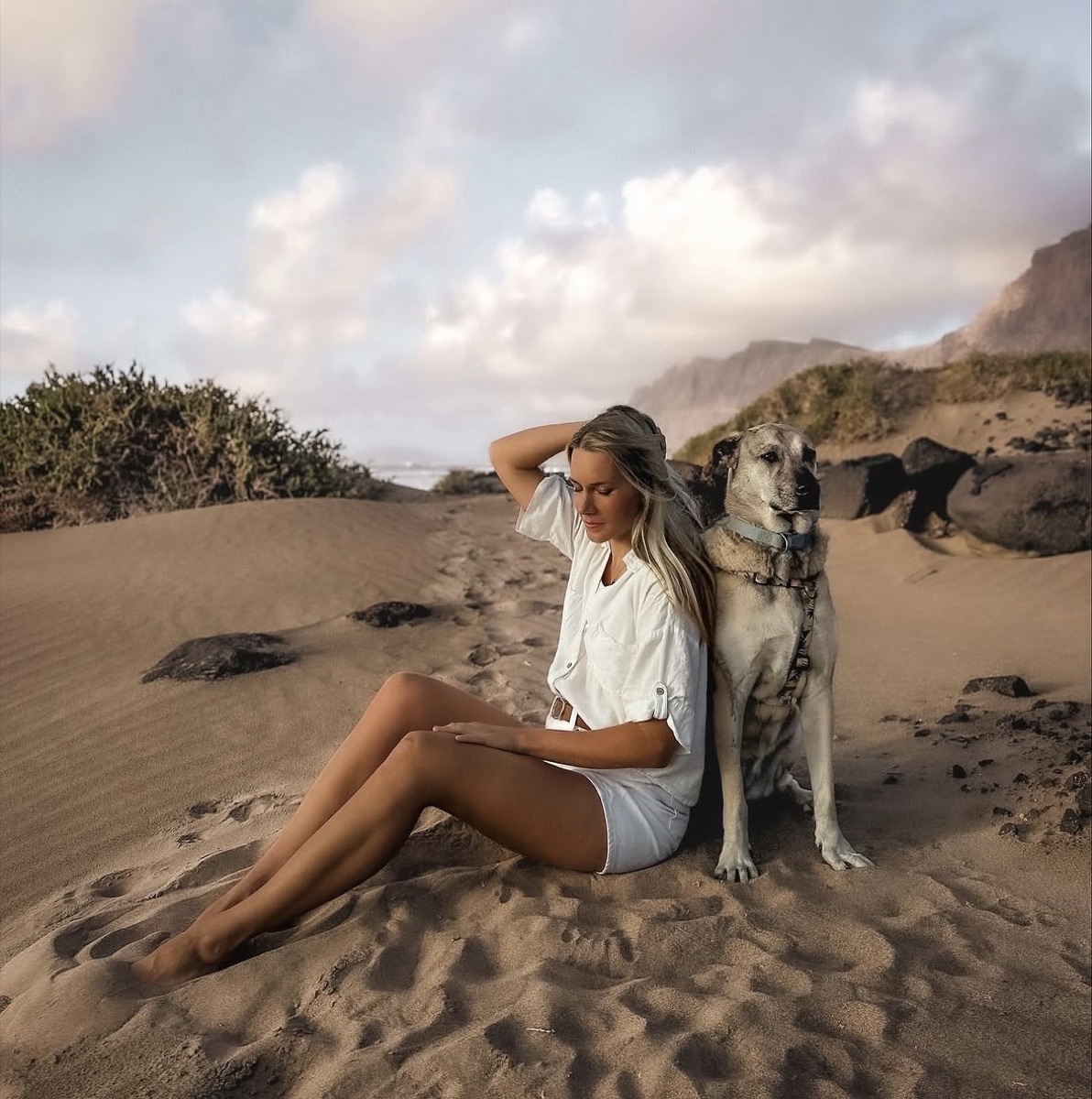
She had represented Slovenia on stages most of us never stand on. Then came a chapter she had not planned for, of the kind nobody chooses — and afterwards she did not try to put things back exactly as they had been. She left. She took the dogs, took the van, and started again on the black volcanic edge of Lanzarote, where the wind does not stop and nothing is convenient.
She describes it herself, without decoration, as a journey through loss, healing and freedom. I have never heard her make it sound braver than it was.
A hundred thousand people follow her now, and I promise you it is not for the sunsets. It is because she went first. Because somewhere in the middle of it she understood that the life she was supposed to want was not the one she was going to have — and rather than spend the next thirty years quietly mourning that, she went and found another one.
When we met, none of this had anything to do with me. I designed things. She lived in a van. It was a meeting — the kind you have hundreds of, and forget.
I did not forget it. I could not have told you why.
There is a line in a famous commencement speech about how you can never connect the dots looking forward — only looking backwards. At the time, a dot is nothing. A person you met. A conversation that ran one layer deeper than it needed to. Importance gets added later, by where your life ends up going.
So Ānanya arrived and showed me the edge of what I am. I can design the vehicle. I have not lived the thousand real mornings it exists for.
The answer already had a name, and had done for years.
Noemi is my cofounder now. Not an ambassador, not a face on a screen — the person who tells me, from a life I have not lived, when something I have drawn will not survive contact with a real February.
Last spring, before I understood where any of this was going, we made a short film about Ānanya and wrote every word of it ourselves.
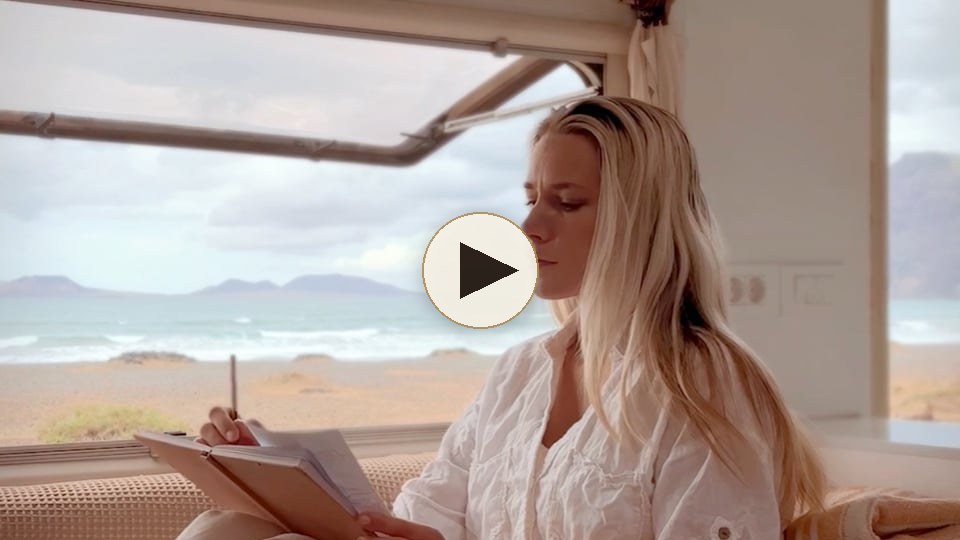
Here is what took me years to see.
The part of her life she would never have chosen is the part that makes her right for this one. She did not leave in order to become anything. She left because she needed to — and the years that followed taught her, in real weather, precisely what I needed to know and could never have learned at a drawing board.
She was not building towards Ānanya. I was not looking for her. Neither of us arranged a single part of it.
That is what the dots are. Not a plan you follow, but a line you are only allowed to see afterwards — and this one runs from a chapter she never asked for, straight through a meeting neither of us thought twice about, to the vehicle I could not have built without her.
Which leaves one instruction, and it is the one that speech ends on. Stay on your own path. Follow your heart and your instinct, even when you cannot yet justify either to anybody. And trust that the dots will somehow connect somewhere ahead of you.
They do. Just never on the day you would like them to.
These letters go out from inside the build — the decisions, the arguments, the things that go wrong. Not updates. Letters.
← Back to Ananya